


People hear the word lobbyist and often picture money changing hands, private dinners and powerful corporations attempting to buy political influence.
That picture is not entirely invented. It is also far from complete.
The better question is not simply whether lobbying is good or bad. It is: Who is attempting to influence public policy, whom do they represent, and what are they asking the government to do?
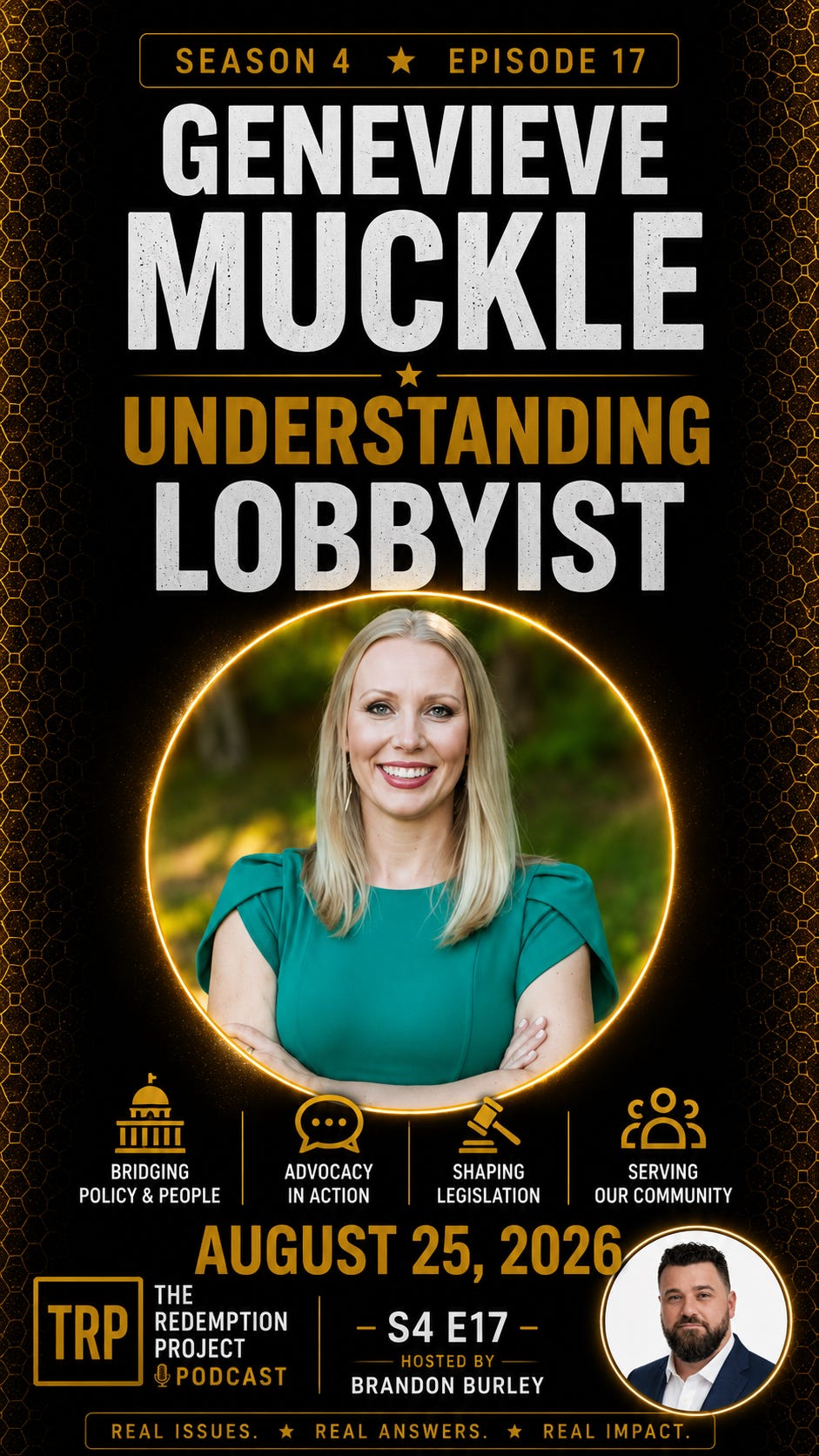
In this Season 4 Civic Conversation, Brandon Burley speaks with Genevieve Turner, founder of Opal Advocacy, about what lobbyists actually do inside Tennessee’s legislative and government systems.
Turner explains the difference between an in-house lobbyist representing one organization and a contract lobbyist working with several clients. Those clients may include corporations, nonprofits, community organizations, service providers or advocates seeking changes involving education, healthcare, corrections, disability services and other public-policy concerns.
The conversation examines how lobbyists research legislation, follow committee hearings, monitor amendments, seek state appropriations and help clients communicate with legislators and government agencies. Lobbying may involve supporting a proposal, negotiating changes or attempting to stop legislation that a client believes would cause harm.
Brandon and Genevieve also discuss ethics, conflicts of interest and transparency. Tennessee lobbyists must register with the state, and members of the public can search for lobbyists and the organizations employing them. That does not resolve every concern about political influence, but it gives citizens a place to begin examining who is involved.
The episode also draws an important distinction between professional lobbying and citizen advocacy.
A citizen may contact a legislator, testify before a committee or explain how a proposal affects their family or community. A lobbyist typically brings ongoing relationships, procedural knowledge and experience navigating the legislative process. One does not replace the other.
Ultimately, this conversation is about how influence works before a bill becomes law—and why understanding that process helps citizens evaluate it more responsibly.
I am a retired detective and criminal justice / government educator based in Tennessee. I am a commentary write for Tennessee Lookout and a weekly columnist with Knox TN Today. My work examines public policy, public safety systems and civic responsibility. My reporting and commentary have also appeared in Governing, The Arizona Capitol Times, South Florida Sun Sentinel, Police1, among other state and regional outlets.


